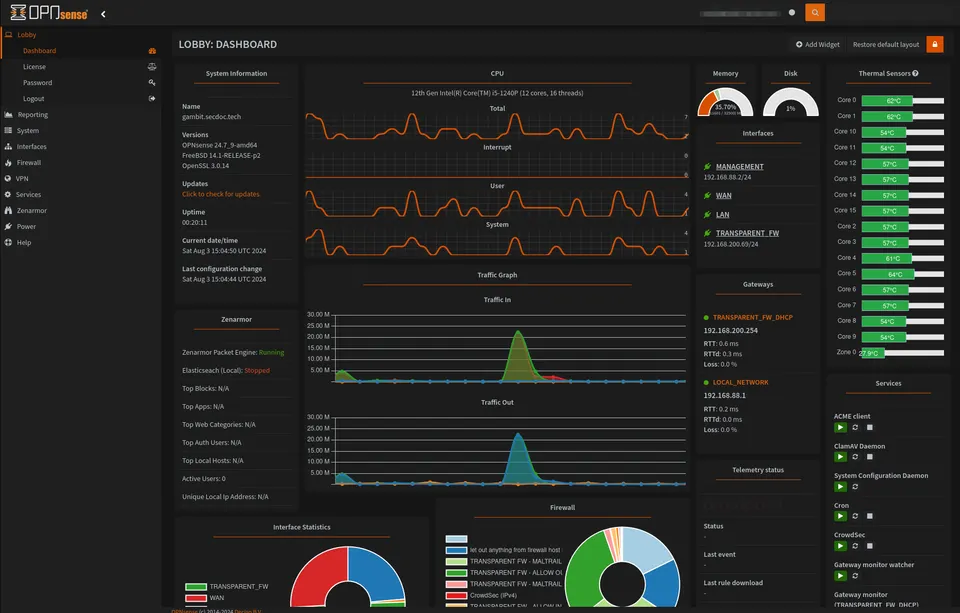
Welcome back to the Basics Series. In Basics Series - #3 we compared the firewall market, picked OPNsense for the lab, and installed it as a VM. In Basics Series - #4 we worked through the traditional vs. transparent-bridged decision and I promised a configuration walkthrough. This is that post...
Before we get into the core of the article — a quick, time-bound note. Packt is sponsoring a giveaway on my LinkedIn channel...This post moves to the first place that thinking touches wire: Category 2, Network Security Controls...
Packt's $9.99 eBook sale, which runs only until Monday, June 30.
This is your chance to get my book, Cybersecurity Architect's Handbook, at a reduced price. They only do this at certain times of the year...
System updates are a crucial aspect of maintaining secure IT infrastructure. While they often bring improvements, they can also introduce changes that require adaptation. A recent example of this is the upgrade to OPNsense 24.7, which altered the format of filter and Suricata logs.
I use several different firewalls within my home network, from different vendors and for different requirements. With this in mind, OPNsense just released their latest major release 24.7, Thriving Tiger. Consider getting the Cybersecurity Architect's Handbook.
When it comes to securing your network, one of the key decisions you'll face is whether to use a traditional firewall or a transparent bridged firewall. Both approaches have their own unique advantages and use cases, and understanding the differences between them can help you ...