


System updates are a crucial aspect of maintaining a robust and secure IT infrastructure. While they often bring much-needed improvements to security and stability, they can also introduce changes that require adaptation, particularly in areas like logging. A recent example of this is the upgrade to OPNsense 24.7, which altered the format of filter and Suricata logs. Let's dive into the impacts of system updates and how to navigate them effectively.
The Benefits of Updating Systems
- Enhanced Security: Updates often patch known vulnerabilities, protecting against the latest threats.
- Improved Performance: Bug fixes and optimizations can lead to better system stability and efficiency.
- New Features: Updates may introduce new functionalities that enhance your operational capabilities.
The OPNsense 24.7 Update: A Case Study
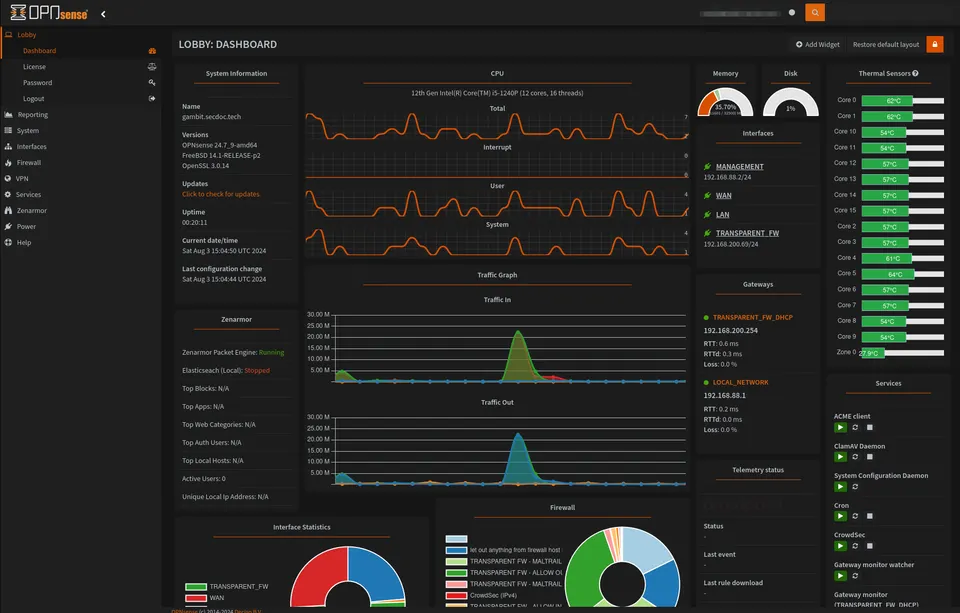
The recent upgrade to OPNsense 24.7 exemplifies both the benefits and challenges of system updates. While it brought various improvements, it also changed the format of filter and Suricata logs, a modification that can significantly impact security monitoring and analysis workflows.
Examples
Here is an example of the old logging for mat for the filterlog and Suricata:
Old and New Logging Formats for FilterLog and Suricata
FilterLog: Old Format: <134>Jul 16 06:36:52 xxxx.acme.tech filterlog[40156]: 85,,,9f96d956119c25145fc2ce221237f3a5,bridge0,match,pass,out,4,0x0,,64,63281,0,DF,17,udp,52,10.13.37.156,8.8.8.8,36444,53,32
New Format: <134>1 2024-08-05T12:05:54+00:00 xxxx.acme.tech filterlog 54802 - [meta sequenceId="2763892"] 85,,,9f96d956119c25145fc2ce221237f3a5,bridge0,match,pass,out,4,0x0,,63,11771,0,DF,6,tcp,60,10.13.37.156,193.0.6.135,43802,43,0,S,1404651214,,64240,,mss;sackOK;TS;nop;wscale
Suricata: Old Format: <173>Jul 26 13:17:32 xxxx.acme.tech suricata[48264]: [1:2017928:4] ET POLICY check.torproject.org IP lookup/Tor Usage check over TLS with SNI [Classification: Device Retrieving External IP Address Detected] [Priority: 2] {TCP} 192.168.200.69:1247 -> 116.202.120.181:443
New Format: <173>1 2024-08-05T23:17:15+00:00 xxxx.acme.tech suricata 23296 - [meta sequenceId="1335381"] [1:2024364:4] ET SCAN Possible Nmap User-Agent Observed [Classification: Web Application Attack] [Priority: 1] {TCP} 192.168.2.141:56840 -> 192.168.88.2:80
Key Changes:
- Date Format: The old format used a more condensed representation (e.g., "Jul 26 13:17:32"), while the new format adopts the ISO 8601 standard (e.g., "2024-08-05T23:17:15+00:00"), including timezone information.
- Meta Sequence ID: The new format introduces a [meta sequenceId="XXXXXXX"] field, which can be useful for tracking log sequence and detecting missing logs.
- Structure: The overall structure of the log entries has been modified to align with more standardized logging practices, potentially improving compatibility with log analysis tools.
These changes may require updates to log parsing scripts, log analysis tools, and any automated systems that rely on the specific format of these logs.
Navigating Logging Changes
When faced with logging format changes, consider the following steps:
- Review Documentation: Carefully read the update notes to understand the exact nature of the changes.
- Update Parsing Tools: Adjust any log parsing scripts or tools to accommodate the new format.
- Retrain AI/ML Models: If you use machine learning for log analysis, retrain your models on the new log format.
- Update Alerting Rules: Modify any alerting rules that depend on specific log structures.
- Communicate Changes: Inform your team about the logging changes and their implications.
Balancing Act: Improvements vs. Disruptions
While changes to logging formats can be disruptive, it's important to weigh these against the security and stability improvements that updates bring. In the case of OPNsense 24.7, the enhanced security features likely outweigh the temporary inconvenience of adapting to new log formats.
Proactive Strategies for Future Updates
To minimize disruption from future updates:
- Test in a Staging Environment: Always test updates in a non-production environment first.
- Create Flexible Logging Pipelines: Design your log processing workflows to be adaptable to format changes.
- Stay Informed: Keep abreast of upcoming changes by following official documentation and community forums.
- Plan for Contingencies: Have a rollback plan in case an update causes significant issues.
Conclusion
System updates are a necessary part of maintaining a secure and efficient IT infrastructure. While they can introduce challenges, particularly in areas like logging, the benefits often outweigh the temporary inconveniences. By staying informed, planning ahead, and maintaining flexible systems, you can navigate these changes smoothly and keep your infrastructure at its best.
To assist with the transition to the new logging format introduced in OPNsense 24.7, a helpful resource is now available. I have created a GitHub repository, providing the necessary updates to ensure compatibility between the new logging format and Graylog. This repository contains updated Grok patterns, allowing users to seamlessly integrate the new log structure into their existing Graylog setups without significant disruption to their log analysis workflows.
This community-driven solution exemplifies the power of collaboration in the IT and cybersecurity world. It demonstrates how quickly adaptations can be developed and shared, minimizing the impact of system updates on operational continuity.
Remember, in the world of IT and Cybersecurity, standing still is moving backwards. Embrace updates, but do so with eyes wide open and a plan in hand. Utilize available resources, such as the mentioned GitHub repository, to streamline the adaptation process and maintain the effectiveness of your logging and analysis capabilities.


